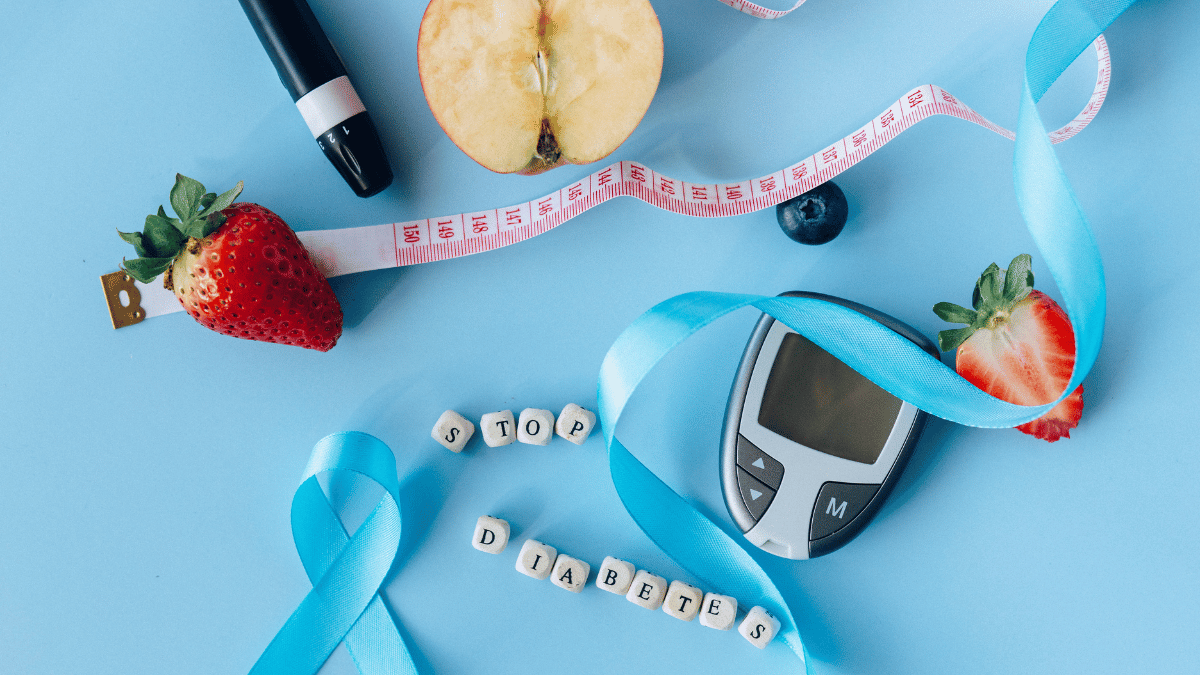
If you have been told that you have insulin resistance, you may immediately start searching for foods to completely avoid. But managing insulin resistance is not about following an extremely restrictive diet.
A more useful approach is understanding how your overall eating pattern, meal composition, lifestyle, and individual health needs fit together.
What Is Insulin Resistance?
Insulin is a hormone that helps your body use glucose from the food you eat for energy.
Insulin resistance occurs when the body’s cells respond less effectively to insulin. As a result, the body may need to produce more insulin to help maintain healthy blood glucose levels.
Insulin resistance can be associated with metabolic health conditions, and nutrition is one part of a broader approach to managing metabolic health.
Does Having Insulin Resistance Mean You Cannot Eat Carbohydrates?
No.
Carbohydrates are not automatically unhealthy, and completely eliminating them is not necessary for everyone.
Foods such as rice, roti, oats, potatoes, fruits, and other carbohydrate sources can be included as part of a balanced eating pattern.
What matters is the overall meal, the type and amount of carbohydrate, what you eat alongside it, and your individual nutritional requirements.
How to Build a More Balanced Meal
One practical way to improve your meals is to avoid making the entire meal revolve around a single food group.
Combining carbohydrates with protein, vegetables, and other nutrient-rich foods can create a more balanced meal.
For example:
- Rice + dal + vegetables + curd
- Roti + eggs + vegetables
- Rice + fish or chicken + vegetables
- Roti + paneer or tofu + vegetables
The appropriate portion and food choices will depend on your individual health requirements and daily routine.
Why Is Protein Important?
Including an appropriate source of protein in your meals can help create a more balanced eating pattern.
Depending on your dietary preferences, protein may come from:
- Eggs
- Fish
- Chicken
- Paneer
- Tofu
- Curd
- Dal
- Beans
- Other pulses
Your protein requirements should be personalised rather than based on a fixed rule found online.
Can Fibre Help With Blood Sugar Management?
Fibre-rich foods can be an important part of a balanced diet.
Vegetables, fruits, legumes, whole grains, nuts, and seeds can contribute fibre along with other important nutrients.
Instead of focusing on a single “superfood,” look at the overall quality and variety of your diet.
What About Sugar and Sweet Foods?
If you have insulin resistance, you may be advised to reduce excessive intake of added sugars.
This does not necessarily mean that you need to completely eliminate every food that contains sugar.
A more sustainable approach is to look at how frequently you consume sugary drinks, sweets, desserts, and highly processed foods and how they fit into your overall eating pattern.
Are Fruits Safe to Eat With Insulin Resistance?
Whole fruits can be part of a balanced diet.
They provide fibre, vitamins, minerals, and other nutrients. Having insulin resistance does not automatically mean that all fruit needs to be removed from your diet.
Your overall dietary pattern, portion sizes, individual health requirements, and other foods in your meals should all be considered.
Why Is Portion Size Important?
Even nutritious foods contribute energy and nutrients, so portion size can be relevant to your individual goals.
However, portion requirements are not identical for everyone.
Your energy needs, physical activity, body composition, medical history, and health goals can influence how much food is appropriate for you.
What If You Have Both Thyroid Problems and Insulin Resistance?
When more than one health condition is present, following a generic diet from the internet can become confusing.
Your nutrition plan may need to consider your:
- Medical history
- Relevant health reports
- Medications, where applicable
- Lifestyle
- Food preferences
- Daily routine
- Individual goals
This is one reason personalised nutrition guidance can be more useful than following a standard meal plan.
Simple Nutrition Habits to Start With
You do not need to change everything at once. Start with practical habits that you can maintain.
- Include an appropriate protein source in your main meals.
- Add vegetables and other fibre-rich foods regularly.
- Choose mostly minimally processed foods where practical.
- Reduce excessive intake of sugary drinks and added sugars.
- Do not unnecessarily eliminate entire food groups.
- Pay attention to portions according to your individual needs.
- Build eating habits that you can realistically maintain.
When Should You Consider Personalised Nutrition Support?
If you have insulin resistance, diabetes, thyroid disorders, PCOS, or concerns about weight and metabolic health, your nutritional requirements may be different from someone else’s.
A personalised nutrition plan can take your health condition, medical history, reports, lifestyle, food preferences, daily routine, and personal goals into account.
Instead of simply giving you a list of foods to avoid, personalised nutrition focuses on creating an eating pattern that can realistically fit into your life.
Key Takeaway
Insulin resistance does not mean that you need to follow an extreme or carbohydrate-free diet.
A balanced eating pattern that includes appropriate portions of protein, carbohydrates, vegetables, fibre-rich foods, and other nutrient-dense foods can be part of a sustainable approach to metabolic health.
The goal is not to create a diet you can follow for two weeks. It is to build healthier habits you can maintain.